
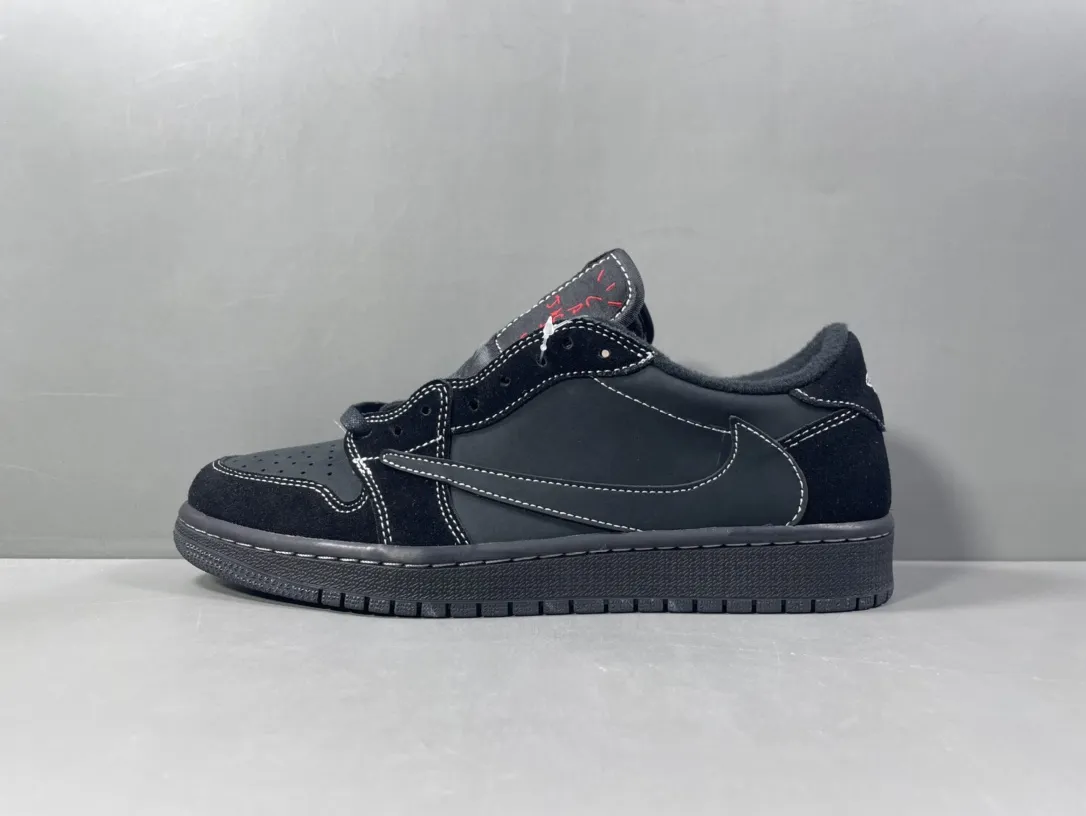
When evaluating a pair of sneakers, most consumers begin with appearance.
The silhouette.
The colorway.
The branding.
However, professional footwear analysis begins somewhere else: construction engineering.
A sneaker is not simply an assembled collection of materials. It is a carefully engineered system where the upper, midsole, outsole, and internal structure work together to create stability, cushioning, and durability.
For those exploring Rep Shoes, understanding footwear construction provides a more accurate method of evaluating quality beyond surface appearance.
The Upper: More Than Just The Visible Layer
The upper is responsible for three critical functions:
- foot support
- breathability
- structural stability
Different sneaker categories require different upper engineering.
Leather Construction
Luxury lifestyle sneakers often rely on leather because it provides:
- premium texture
- shape retention
- natural aging characteristics
However, leather quality depends heavily on thickness, grain structure, and finishing methods.
Poor leather may appear visually similar but loses flexibility and develops uneven creasing after repeated wear.
Mesh and Textile Engineering
Performance sneakers such as running-inspired models require lightweight materials.
Modern mesh structures are designed to balance:
- airflow
- flexibility
- reinforcement
The challenge is creating enough support without adding unnecessary weight.
This explains why technical sneakers often contain multiple layers of different textile densities.
Midsole Technology Defines Comfort
The midsole is arguably the most important performance component.
It controls:
- impact absorption
- energy return
- walking stability
Different foam compounds create different experiences.
Soft Foam
Advantages:
- comfortable initial feeling
- excellent cushioning
Disadvantages:
- faster compression over time
Dense Foam
Advantages:
- stronger support
- improved durability
Disadvantages:
- firmer underfoot feeling
Premium footwear engineering focuses on balance rather than simply maximizing softness.
Outsole Design Controls Traction and Longevity
The outsole connects the sneaker with the ground.
Important factors include:
Rubber Compound
Different rubber formulas influence:
- grip
- abrasion resistance
- flexibility
Pattern Geometry
Outsole patterns are designed according to movement.
Running shoes, basketball shoes, and lifestyle sneakers require different traction systems.
A visually accurate outsole pattern is only valuable when combined with appropriate material performance.
Stitching and Assembly Precision
Small manufacturing details often reveal overall production quality.
Professional footwear inspection considers:
- panel alignment
- stitching consistency
- adhesive application
- edge finishing
A sneaker can have the correct appearance but still fail if assembly tolerances are inconsistent.
Why Construction Knowledge Helps Buyers Make Better Decisions
The difference between ordinary and high-quality sneakers is rarely one single feature.
It comes from the relationship between:
- material selection
- structural design
- manufacturing precision
- finishing quality
Understanding these principles allows consumers to evaluate High Quality Rep Shoes from a professional perspective rather than relying only on visual impressions.
