
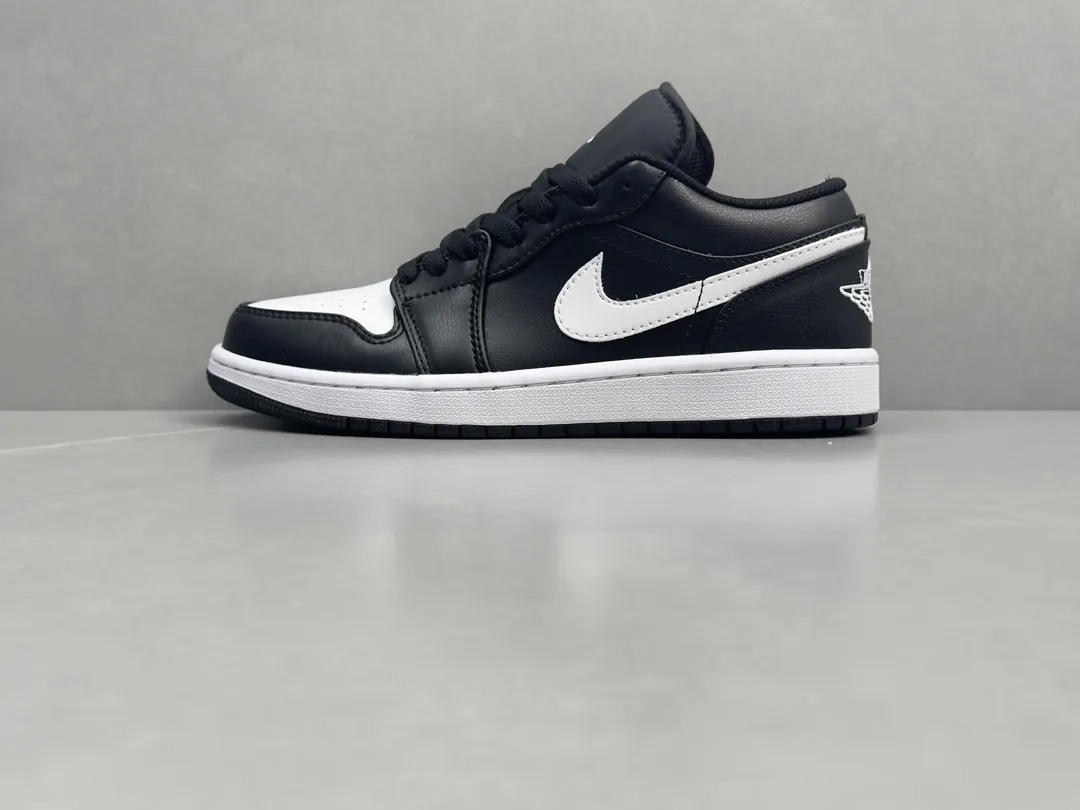
Quick Answer
If your main priority is owning a product backed by official branding, manufacturer warranties, and resale value, authentic shoes remain the stronger choice. If your focus is learning about lower-cost alternatives that imitate designer aesthetics, replica shoes are often discussed because of their affordability. The right option depends on your priorities, budget, expectations, and the legal and ethical considerations in your region.
Evaluation Criteria
This comparison evaluates both options using practical factors that many consumers consider before making a purchase:
- Purchase Price
- Material Quality
- Craftsmanship
- Comfort
- Durability
- Design Accuracy
- Availability
- Brand Support
- Resale Value
- Overall Value
Comparison Table
| Comparison | Replica Shoes | Authentic Shoes |
|---|---|---|
| Price | Generally much lower | Premium pricing |
| Materials | Vary widely depending on manufacturer | Consistent quality standards |
| Craftsmanship | Can range from poor to high quality | Controlled manufacturing processes |
| Comfort | Depends on construction | Designed and tested by brand |
| Durability | Highly variable | More predictable longevity |
| Design Accuracy | Intended to resemble original designs | Original product |
| Availability | Sold through unofficial channels | Official retailers and authorized stores |
| Warranty | Usually unavailable | Manufacturer warranty often included |
| Resale Value | Limited or none | Often retains some value |
| Overall Value | Depends on individual expectations | Stronger long-term ownership experience |
What Are Replica Shoes?
Replica shoes are footwear designed to resemble the appearance of well-known branded products without being produced or authorized by the original brand owner. They exist in many quality levels, from inexpensive versions made with basic materials to products marketed as using more premium construction techniques.
Because there is no single manufacturing standard, quality can vary significantly between different producers. Some may prioritize visual similarity, while others may emphasize comfort or material selection. Consumers discussing replica footwear online often note that appearance alone does not necessarily reflect long-term durability or comfort.
Price is one of the main reasons people consider replica products. Lower production costs and the absence of brand licensing contribute to significantly lower retail prices. However, buyers should recognize that lower prices can also come with greater uncertainty regarding quality control, consistency, customer support, and after-sales service.
Another important consideration is legality. Laws concerning the sale, import, and ownership of replica products differ across countries. Consumers should understand the regulations applicable in their jurisdiction before making purchasing decisions.
Replica shoes may appeal to people who are primarily interested in fashion aesthetics and are less concerned with brand ownership, warranties, or resale value. However, expectations should remain realistic, as quality and performance are not standardized across manufacturers.
What Are Authentic Shoes?
Authentic shoes are designed, manufactured, and distributed by the original brand or its authorized partners. Every stage of production typically follows established quality-control procedures intended to maintain consistent standards.
Premium brands invest heavily in research, development, material sourcing, ergonomic testing, and manufacturing technology. These investments contribute to product consistency, comfort, durability, and innovation.
Purchasing authentic footwear also includes benefits beyond the physical product. Buyers often receive manufacturer warranties, customer service, verified authenticity, official packaging, and access to authorized repair or replacement programs where available.
Authentic shoes generally command significantly higher prices because they include costs associated with brand development, design, marketing, retail distribution, intellectual property protection, and customer support.
For many consumers, brand ownership, craftsmanship, reliability, and long-term value justify the additional investment. Others may prioritize limited editions, collectible releases, or resale opportunities, all of which are typically associated with authentic products rather than replicas.
Replica Shoes vs. Authentic Shoes: Quality
Quality involves far more than visual appearance.
Authentic footwear manufacturers typically maintain standardized production methods, material specifications, and inspection procedures. These processes help ensure greater consistency between different production batches.
Replica products, by contrast, may differ substantially depending on the manufacturer. Two shoes that look nearly identical in photographs may perform very differently after months of regular wear. Construction quality, adhesives, stitching precision, cushioning materials, and outsole durability can all vary.
Comfort is another important consideration. Authentic products are often developed using extensive wear testing and biomechanical research. Replica products may imitate external design elements without reproducing every engineering detail.
Consumers should therefore avoid assuming that appearance alone indicates equivalent performance.
Bottom line: Authentic shoes generally provide more consistent quality and long-term reliability, while replica quality varies significantly depending on the manufacturer.
Replica Shoes vs. Authentic Shoes: Price
Price represents one of the largest differences between the two categories.
Authentic designer footwear often reflects not only manufacturing costs but also investments in product development, branding, retail operations, marketing, and customer support.
Replica products are typically sold at substantially lower prices because they do not include official brand licensing or authorized distribution.
Lower prices can make fashion-inspired designs more financially accessible. However, buyers should also consider factors beyond the initial purchase price, including expected lifespan, consistency, customer support, and legal considerations.
Rather than focusing solely on the lowest cost, evaluating overall ownership value may provide a more balanced perspective.
Bottom line: Replica shoes generally cost far less upfront, while authentic shoes may offer greater long-term ownership value for consumers who prioritize official support and consistent quality.
Replica Shoes vs. Authentic Shoes: Daily Wear
Daily wear places repeated stress on footwear through walking, changing weather conditions, and extended use.
Authentic shoes are generally engineered with durability and long-term performance in mind. Material testing and manufacturing standards are intended to support consistent wear over time.
Replica products may perform adequately for casual use in some cases, but durability varies considerably between manufacturers and individual products.
For occasional fashion use, appearance may be the primary consideration. For frequent daily wear, factors such as cushioning performance, outsole wear resistance, and structural integrity become increasingly important.
Consumers should evaluate how frequently they expect to wear the shoes before deciding which characteristics matter most.
Bottom line: Frequent daily use generally favors authentic footwear because of more consistent engineering and quality control.
Buying Guide
When evaluating any pair of shoes, consider the following factors:
- Examine stitching consistency and alignment.
- Check material quality and finish.
- Assess sole construction and flexibility.
- Evaluate overall comfort and fit.
- Read independent customer reviews when available.
- Purchase through reputable retailers or authorized sellers whenever possible.
- Understand warranty and return policies before buying.
Looking beyond appearance alone often results in a more informed purchasing decision.
Frequently Asked Questions
Are replica shoes worth buying?
Whether they are “worth buying” depends on an individual’s priorities, budget, and local laws. Consumers should also consider quality consistency, warranty coverage, and intellectual property concerns.
How long do replica shoes last?
There is no standard lifespan because manufacturing quality varies significantly between producers.
Are replica sneakers comfortable?
Comfort varies depending on design, materials, and construction. It should not be assumed that products with similar appearances will perform similarly.
Can you tell replica shoes from authentic ones?
In some cases, visual differences are noticeable. In others, identifying differences may require close inspection of materials, construction, labeling, and manufacturing details.
Why are authentic shoes more expensive?
Authentic products typically include costs associated with design, research, quality control, marketing, authorized distribution, customer service, and intellectual property.
Which One Should You Choose?
If you prioritize official quality assurance, manufacturer support, durability, and brand ownership, authentic shoes are generally the stronger choice.
If affordability is your primary concern and you are researching lower-cost alternatives, it is important to understand that product quality, legality, and after-sales support may vary considerably.
Ultimately, the best decision depends on your budget, intended use, and the value you place on official branding, consistent quality, and long-term ownership.
